
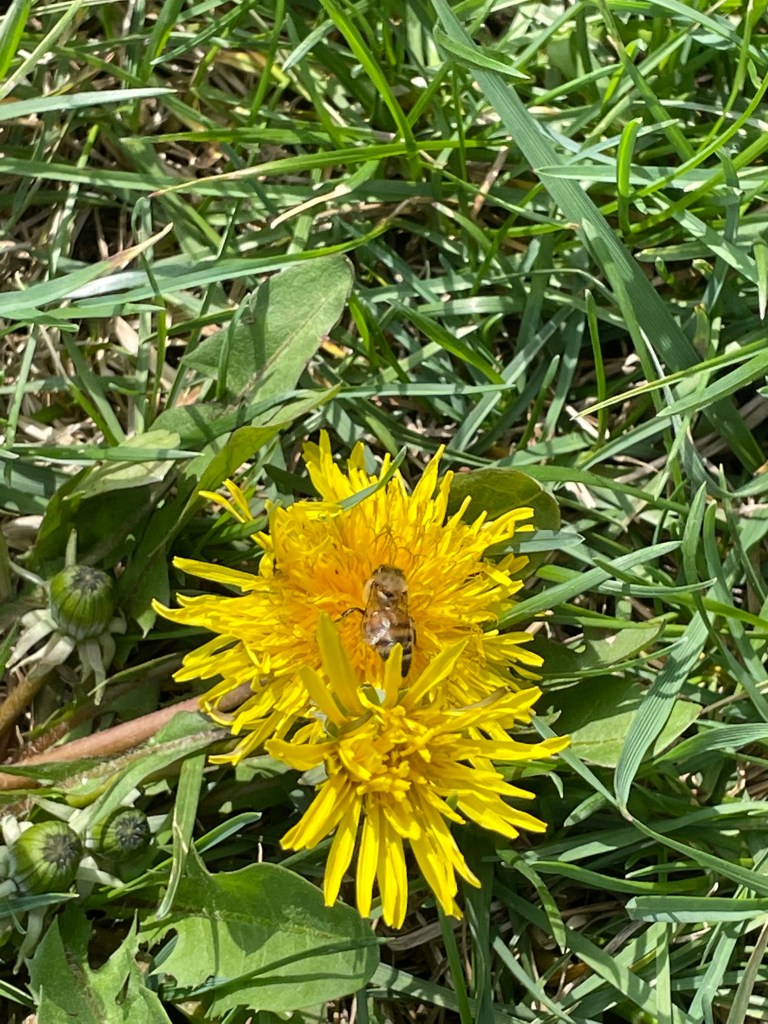
Last Friday, I was completely wrung out by a terrible meat chick experience. I won’t go into detail in this post but suffice it to say we lost a great many birds in 24 hours. I was discouraged and down. However, my day was made when I walked through our yard and lost myself in the honeybee activity. The dandelions were covered in bee movement. Worker bees darted throughout our yard and I enjoyed following them around, delighting in their health and productivity.
And so, because of that, I was reminded of the beauty in bees (as well as many other pollinators) and what I have learned over the years of their necessity in our gardens and flower beds.
By planting pollinator friendly flowers, we draw bees, butterflies, and even birds into our space. We can often think that vegetables are the only things we need to grow. But I would challenge you to think through the benefits of having these helpful workers in your gardens.
It is always a pleasant little thrill for me to see a honeybee enjoying my flowers and herbs. I always wonder where they are coming from! Dandelions are one of the first foods for our bee friends and we have a plentiful harvest for them. And bees are one of our first pollinators out and about each spring. I am hoping to someday have some hives of my own!
When bees and butterflies pollinate our flowers and vegetables, they help each plant to thrive and even produce more goodies for us. With these workers present, our yields will almost certainly be higher.
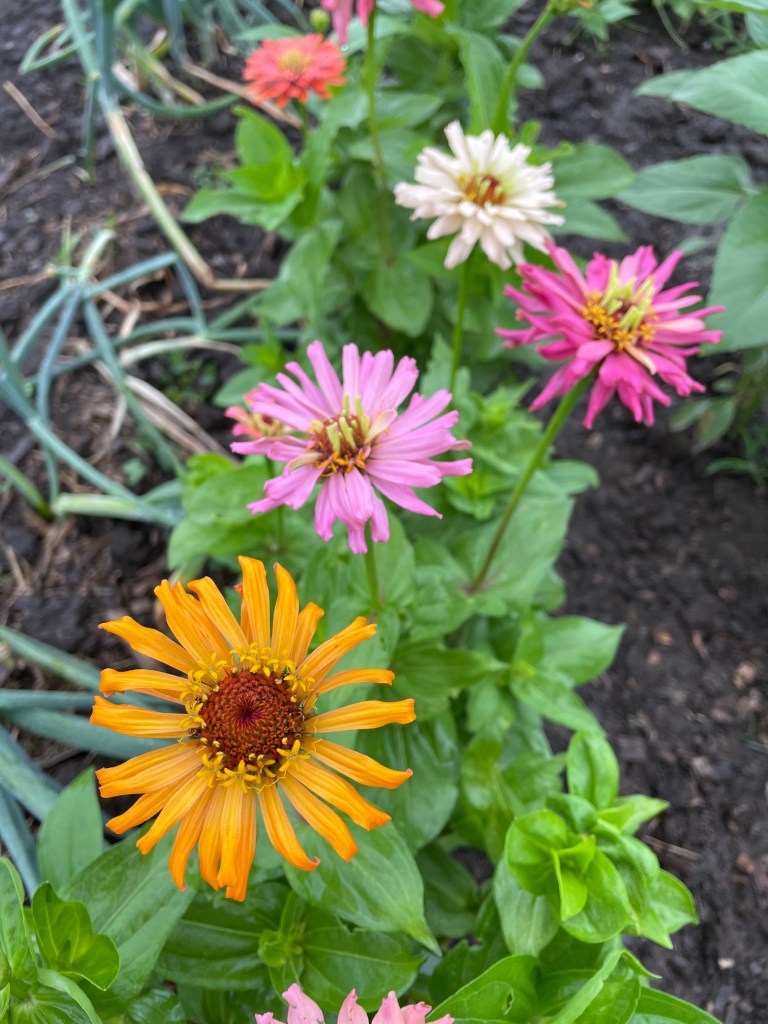
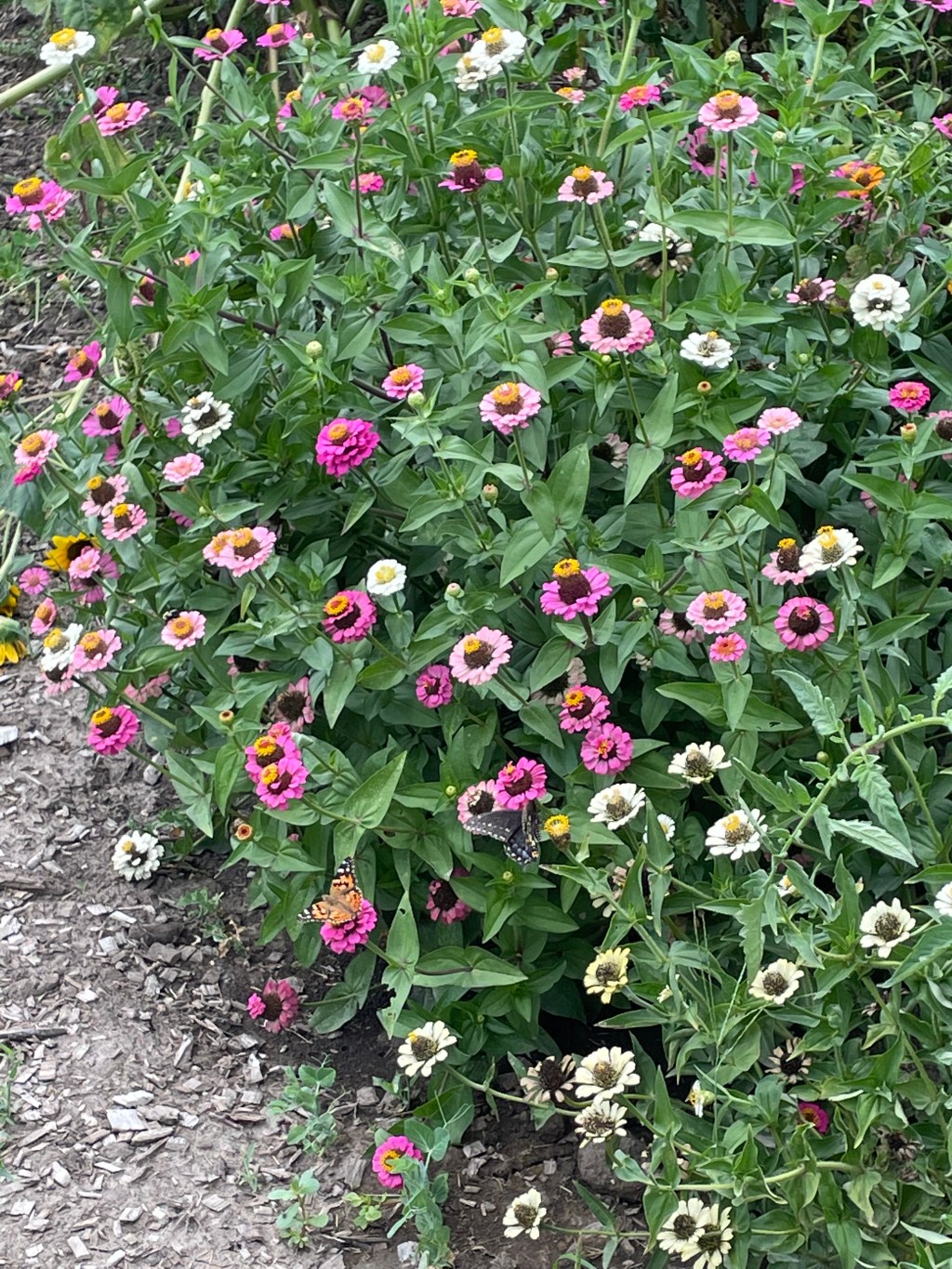
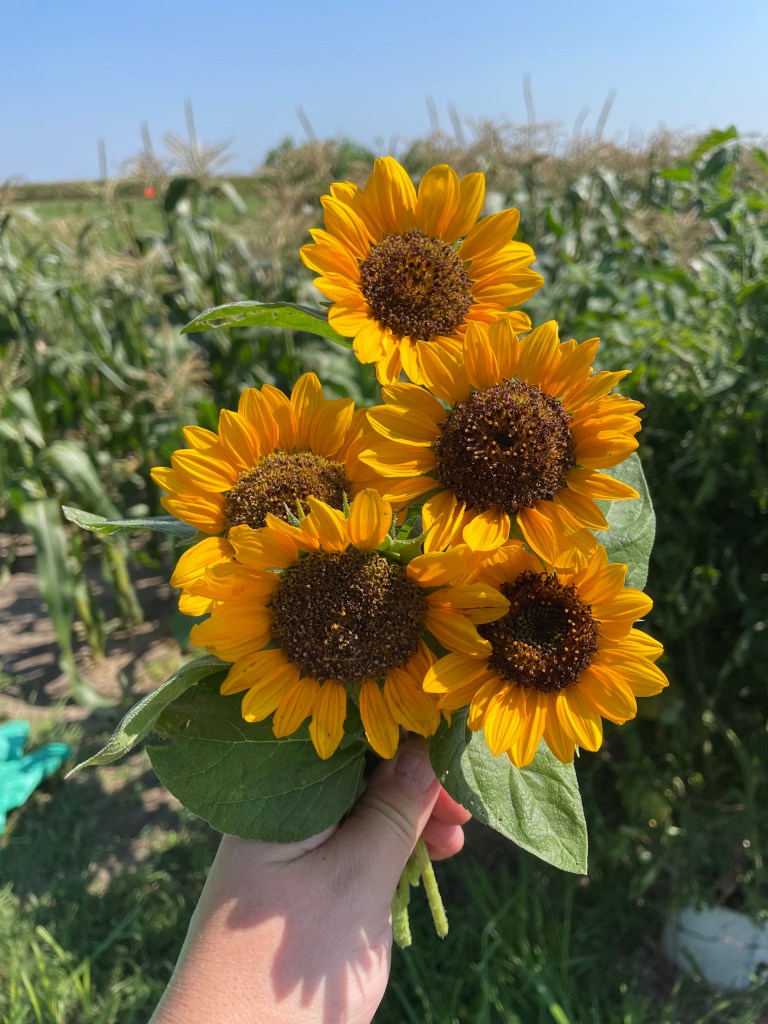
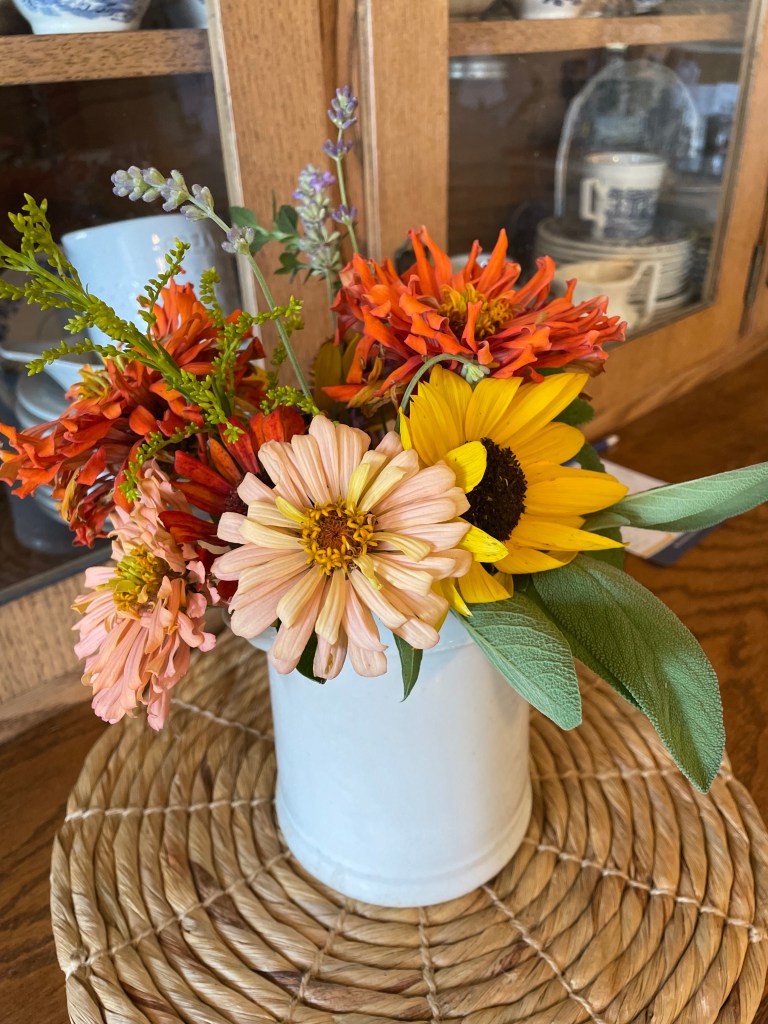
But, sheer joy in these lovely flowers can also be a reason to grow them. Zinnias and sunflowers are two favorites in my vegetable garden each year. They bring our bug friends around, but they also look delicious in an old Ironstone pitcher on my kitchen table.
Growing pollinator posies doesn’t need to be hard or take up a lot of space. But adding them can definitely bring health and joy to your garden. Here is a list of some you may want to consider, both annual (grown for the year) and perennial (comes back each year):
Annual
- Zinnias
- Sunflowers
- Cosmos
- Dahlias (bulb)
- Snapdragons
- Sweet Alyssum
Perennial
- Bee balm
- Black-eyed Susan
- Coneflower
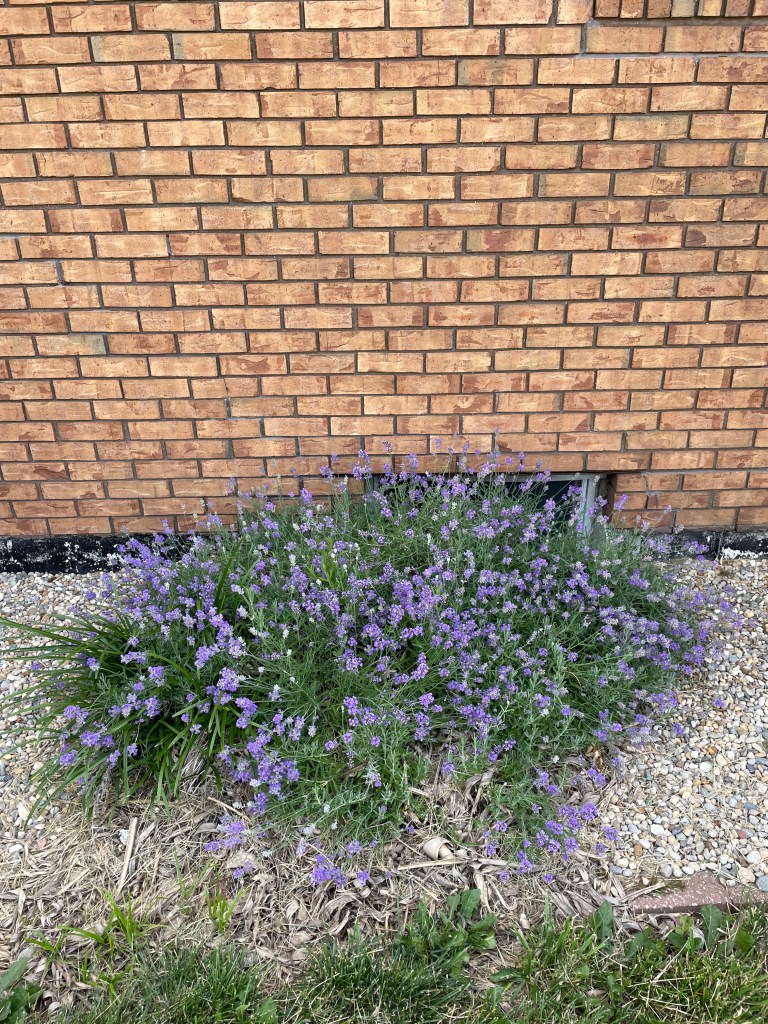
- Lavender
- Catmint
- Hollyhocks (self seeds)
- Phlox
- Allium (bulb)
- Butterfly weed
- Salvia
- Yarrow
- Milkweed (especially loved by Monarchs)
- Borage
My last tip and suggestion would be to have a water source for our winged friends. You can simply pour water into the bottom plate of a terra cotta pot and add a few small stones, or elaborately add a solar fountain to your birdbath, with some landing rocks or plank for the workers. There are many ideas- decide what you might like.
Watch for a later spring or summer post regarding a new pollinator bed I hope to make for my honeybee friends. Please subscribe so you can keep up with our little life here on the farm.


 Honey and the Hen
Leave a reply to Vero Cancel reply