
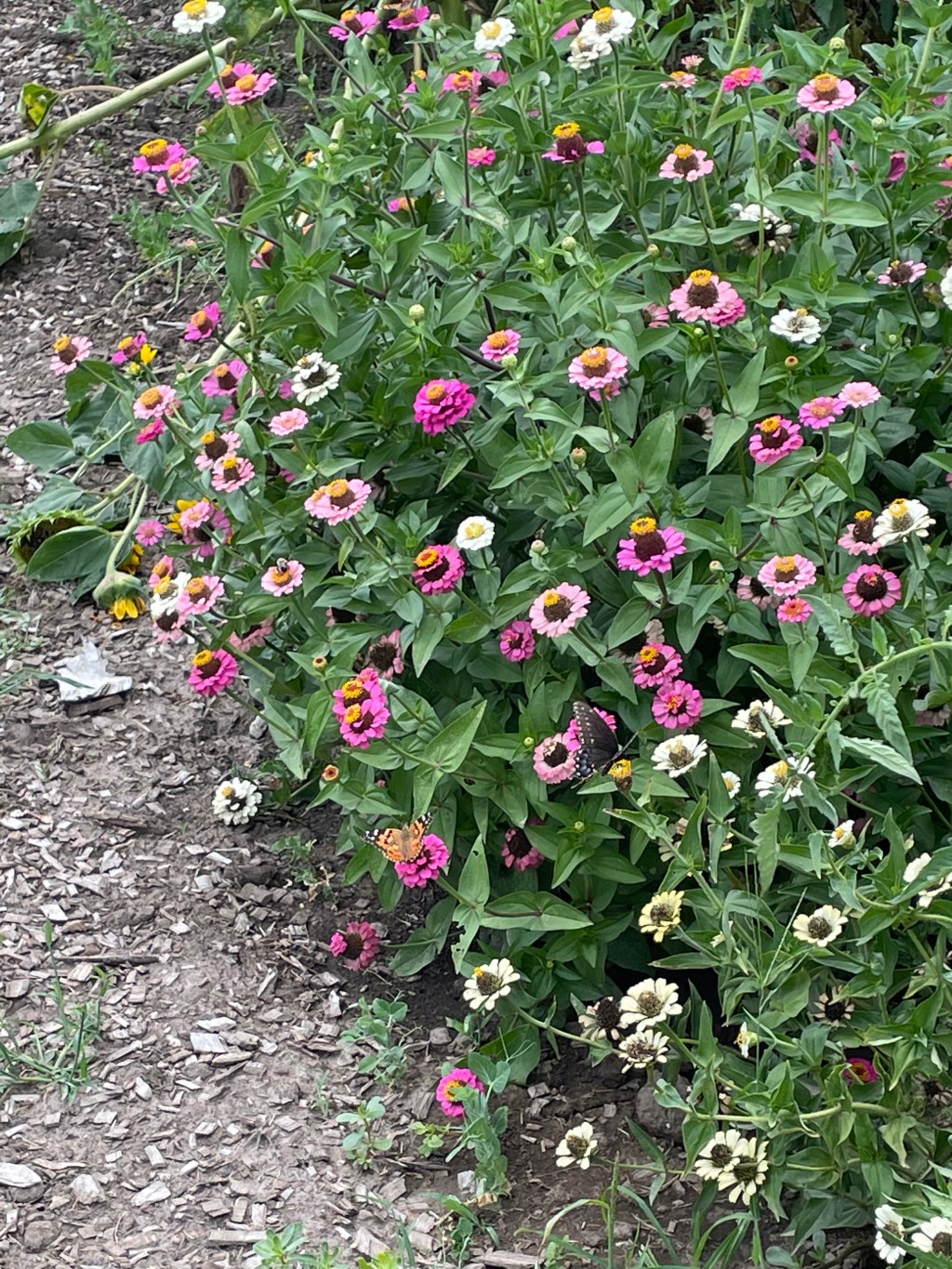
Chatting gardening is a strange thing for me. I don’t want to overwhelm anyone… but I have also learned some things the hard way and I don’t want anyone else to have to if I can help! Some people ask me things about gardening and I am no expert! But, I have a few years of gardening experience under my belt (8… it isn’t much, but its some!) and I enjoy passing on knowledge I have gleaned.
I am constantly learning! Always… I enjoy it! I like being able to try things someone has told me so, I am going to give y’all a few tips that may or may not help if you are a new gardener.
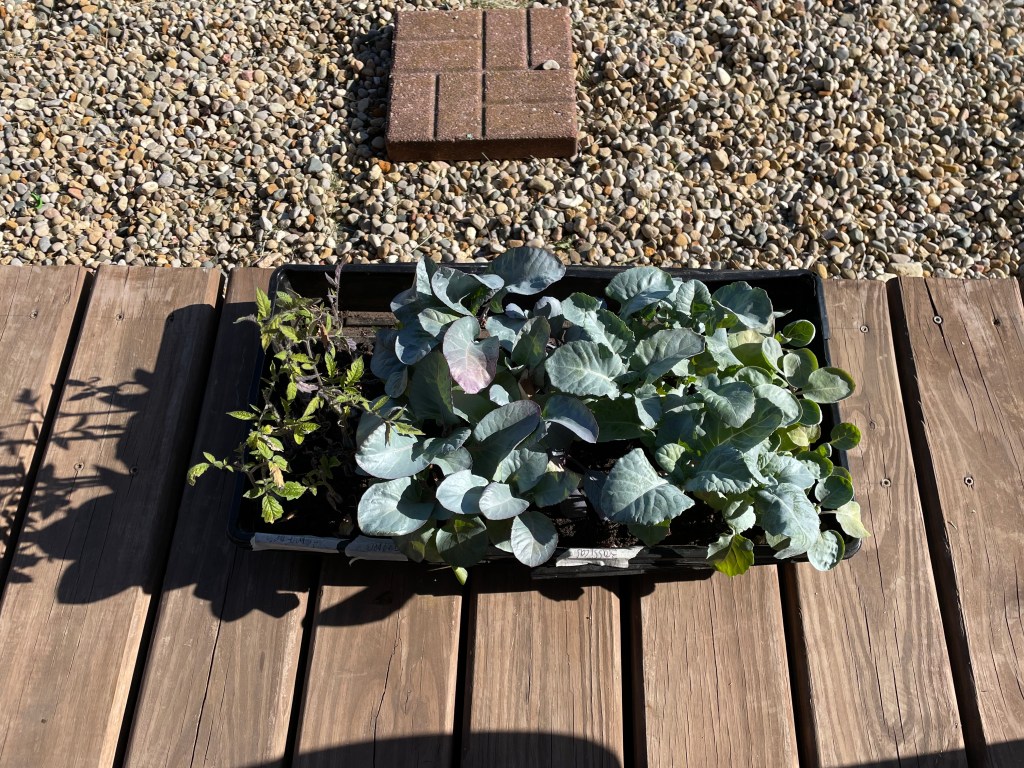
Start Small
It is very exciting… in winter… to look through seed catalogs and dream up our gardens. Beautiful pages of delicious goodness. But, try to begin small. You don’t want to order $100 worth of seeds only to have them 1) sit there in the package or 2) get used only to not grow because of overwhelm and other emotions that creep in.
It is tiring to garden. Yes. It is also very rewarding and a joy. You will work hard. Yes. But, some days aren’t nearly as much work and, if you stay on top of things, you become efficient with your movements/traveling to get tools as well as your use of time (weeding, hoeing, watering, etc).

Know What Your Family Eats
When you are planning your garden, begin by thinking through what you and your family actual enjoy eating. Sometimes it can’t be grown in your zone or area (example bananas). But, if you are serving green beans every week, you can start to determine what amount of food you might grow.
Some favorites are: tomatoes, cucumbers, green beans, corn, lettuces/spinach. These items can be a good place to begin if your family enjoys them. A bag of salad mix at the grocery store right now is between $3-4 dollars. You can purchase a bag of seeds for that amount and grow an entire raised bed in lettuces. Think through things like this!
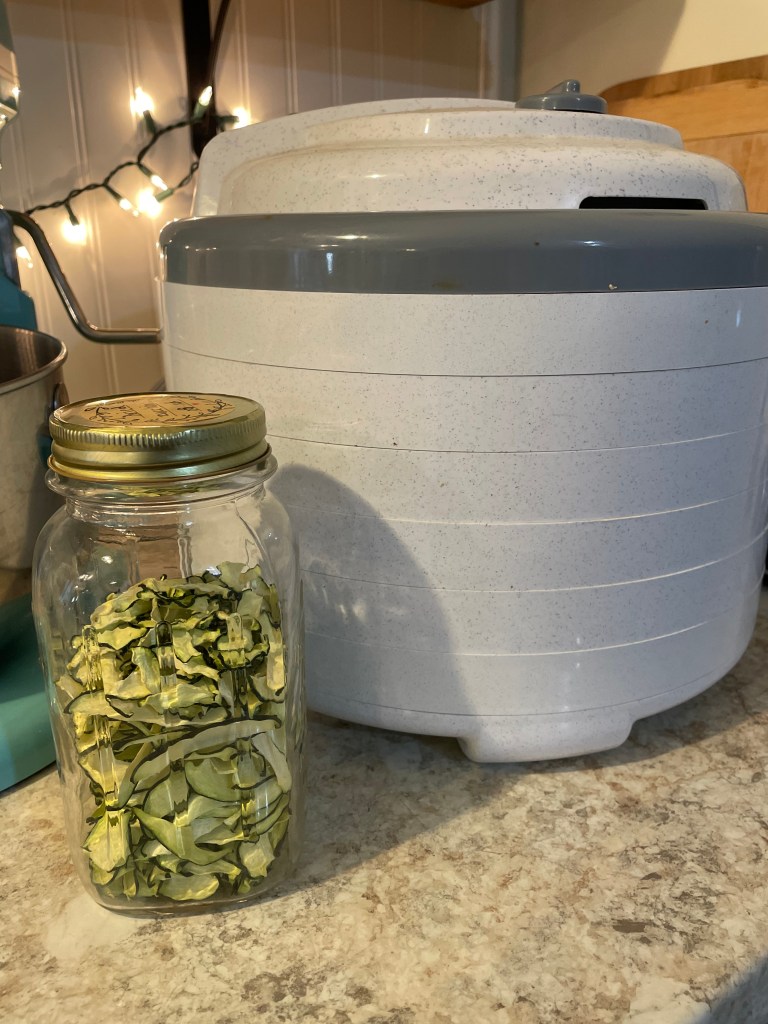
Begin Learning How to Preserve NOW
You don’t want to wait until you have a goat to fence in a pasture… and you don’t want to wait until you have a wagon load of tomatoes before learning to preserve them. Begin learning those skills now. How will your family eat each food? Is freezing your best option? Can canning make things stream lined? Do you eat dehydrated foods often? Are you a ferment-lover?
Don’t be afraid to dive in and learn. Start small and see what can be learned without extra cost to you- who knows, someone may wish to gift you second hand jars and a pressure canner! But, zipper freezer bags (don’t skimp here on cheap ones!) are not expensive and you can easily learn about blanching certain foods. A large variety of produce can be frozen.
Canning doesn’t have to require a lot of extras either! You will need jars that are not cracked or chipped, but lids/rings are not very costly. You can use a make-shift canning system for water bath canning (look into what foods can safely be water bath canned and which ones cannot). A large stock pot with a dish towel at the bottom can be used in a minute for learning to can those items!
Dive in to a trusted source and learn some new preserving skills!
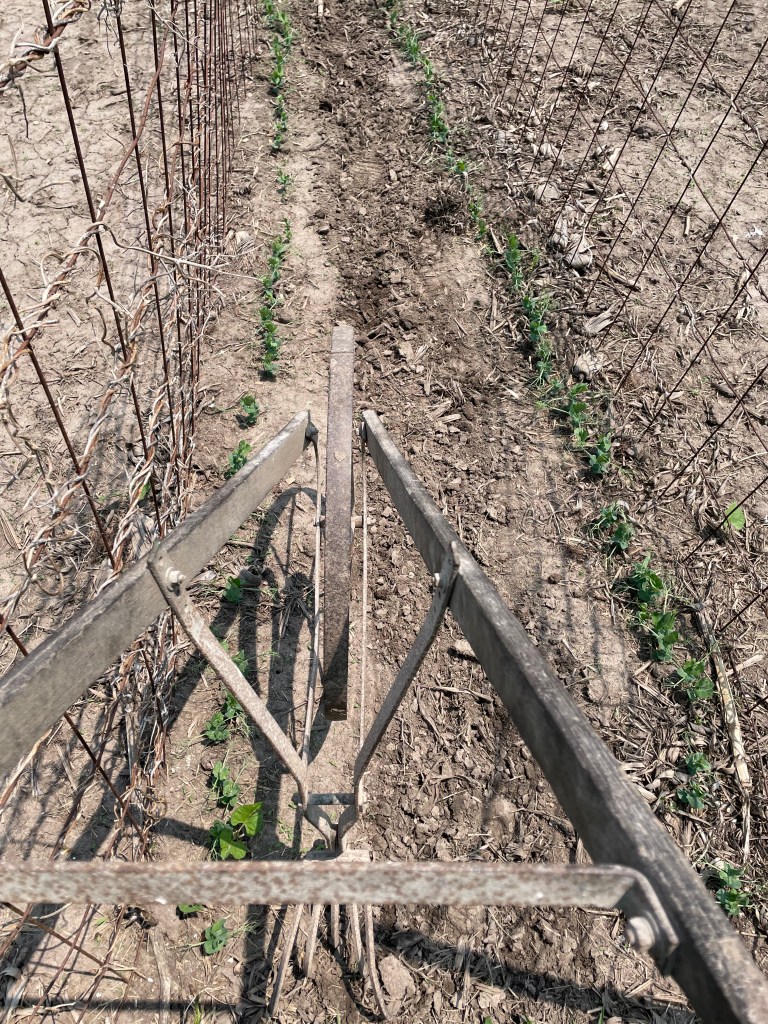
Prepare Your Garden Spot
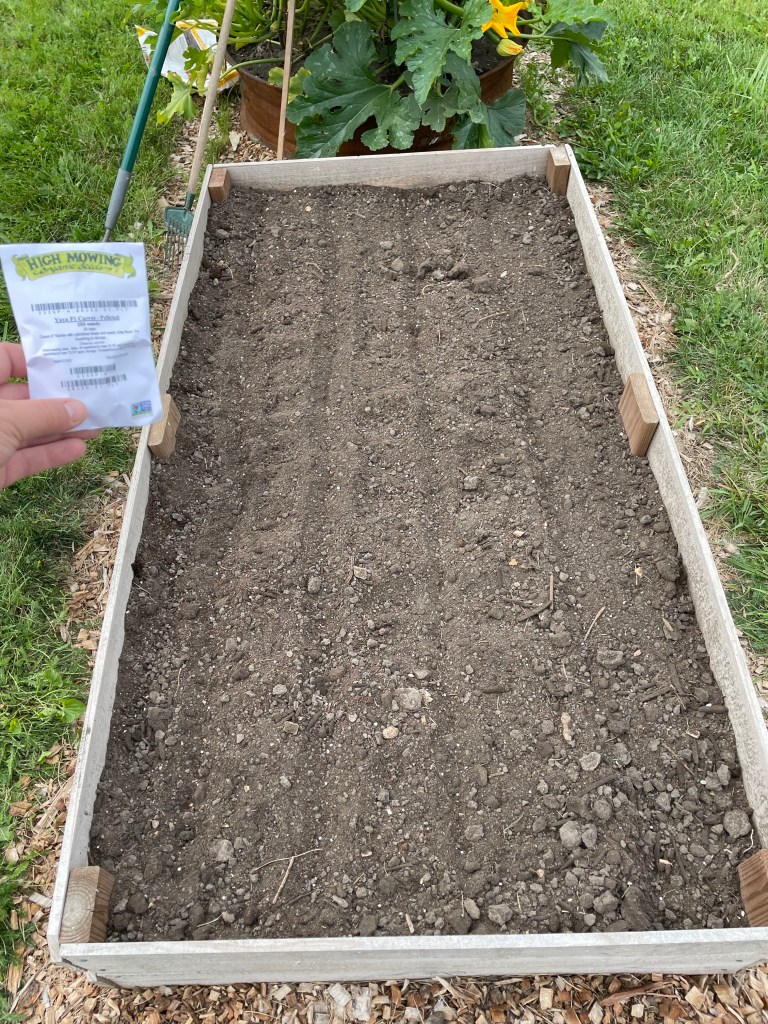
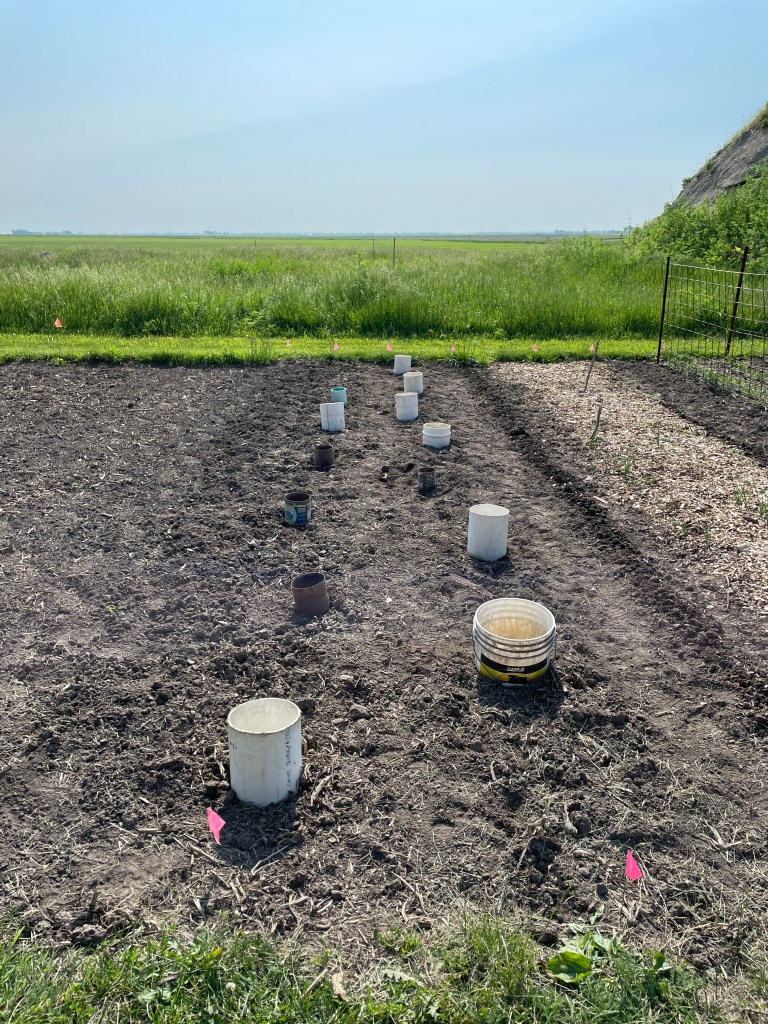
There are many different types of gardening and for each, a list of pros and cons. We have a mixture of raised beds (3) and in-ground garden (30×68). And many times people only have room for container gardening. You need to know what your gardening style is and why. There will be reasons you want to garden a certain way.
Consider:
- cost (tiller, broad fork, etc; raised bed kit or built; bringing in soil and compost; tools)
- amount of food you’d like to grow
- what will work best in your stage of life
- a size that 1) won’t overwhelm you, but 2) can be expanded on in the future if desired
I have chosen to have a few raised beds for certain things. But, I have always gardened in-ground: growing up, our first home spot, and now where we live. For the amount of food I hope to grow for our family of 5, I like to freedom of this style of gardening.
This doesn’t even go into the topics of to till or not to till, do I cover the ground after I have harvested, and the like.
Decide About Chemicals
I am very passionate about not having chemicals or GMOs in my garden. I am taking precious time and energy (and money) to grow our own food. There are studies showing the harm these chemicals do to us short and long term. We want to be aware of what we are eating and what we are feeding those we love.
That being said, there are definitely differing views on types and amounts of chemicals used. People fall on both sides of this issue.
You decide what is right for you! Know why you are choosing this. Don’t just do something because everyone else is… or I am… or your grandmother did. Do some research yourself. This will also include the seeds and plant starts you choose to buy.
Each Plant Requires Something
As you begin, you will notice that each individual plant may have it’s own specifications. There are zones for each area in the US (and perhaps other countries… but I don’t know for sure). Some plants like sun and heat, others need shade and cool.
Don’t let this scare you! It is just something that needs to be known. Looking into your areas’ frost dates (first and last… you can search online with your zip code) will help you determine many things:
- when to plant early varieties
- how soon to begin seed starts (spring or fall!)
- and when heat loving plants are safe to plant outside
Looking at seed packets can be helpful, but having a book dedicated to your state or area is better. Knowing what to plant when is crucial to plants living, not to mention thriving.
Lastly on this subject is companion planting. There are many lists you can find that tell you about growing certain things next to or far away from other plants. I have learned a lot from this and it is a real thing. Be intentional with plant placement.
Basic Tools
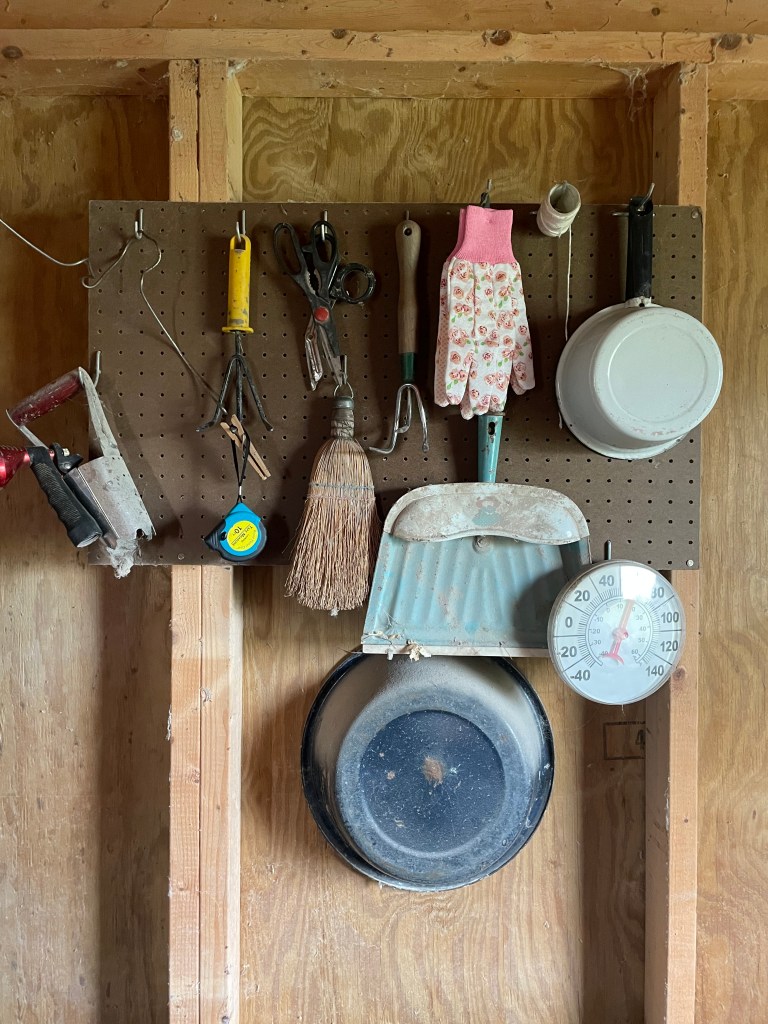
For most gardening a few basic tools will be very helpful. Obviously, you can learn what you like and add to your inventory as you learn and grow (no pun intended). Many of the items below I have gotten second hand! Here is a list of things I like to have on-hand:
- a wagon or wheel barrow to haul and load/unload
- spade
- hoe (there are many types)
- trowel
- gloves
- string
- stakes for marking (can be sticks, tomato stakes, iron rods, etc)
- measuring tape
- watering equipment (could be as simple as saving your milk jugs or as elaborate as a garden pump)
- buckets (many uses, including rocks, weeds, grubs for the chickens…)
- trellising (again, as simple or elaborate as you want to make it… old fencing, rebar wire, stakes and string…)
- a garden apron
- scissors
- zip ties
- large pail or crate for harvesting

Be Intentional
As with other posts I have published before, I try to include time in any subject I talk about because it is there! It is so easy to lose it, waste it, or even deny it. When it comes to gardening, using your time in an intentional way can be the difference between a good crop and a weak crop; weed jungles and well maintained rows; high pest pressure or lower numbers of pests…
You may have 30 minutes before the kids go to bed- it is still light outside. What should you do? Weed a row of onions; harvest green beans; prune tomato plants; hoe the peas; hill the potatoes…. It is that simple. Take the small amounts of time you do have and put them to good use. This can be done by someone at any stage of life.
If you have kids or grandkids, they can help too! Use this intentional time for teaching! Start small but work into them truly being useful- everyone wants their work to count. Kids can do a lot more than people like to give them credit for. And, if they begin with you, they will pick up on things much quicker- let them be a part of every step!
Intentionality can also mean taking care of the garden spot you’ve chosen. Compost, feeding, fertilizers… again (as mentioned above) you choose how you will do this. But, the better care you take of the soil, the more abundant your crop yield. Be intentional with each step along the way, not cutting corners that need to remain whole.
Ask!
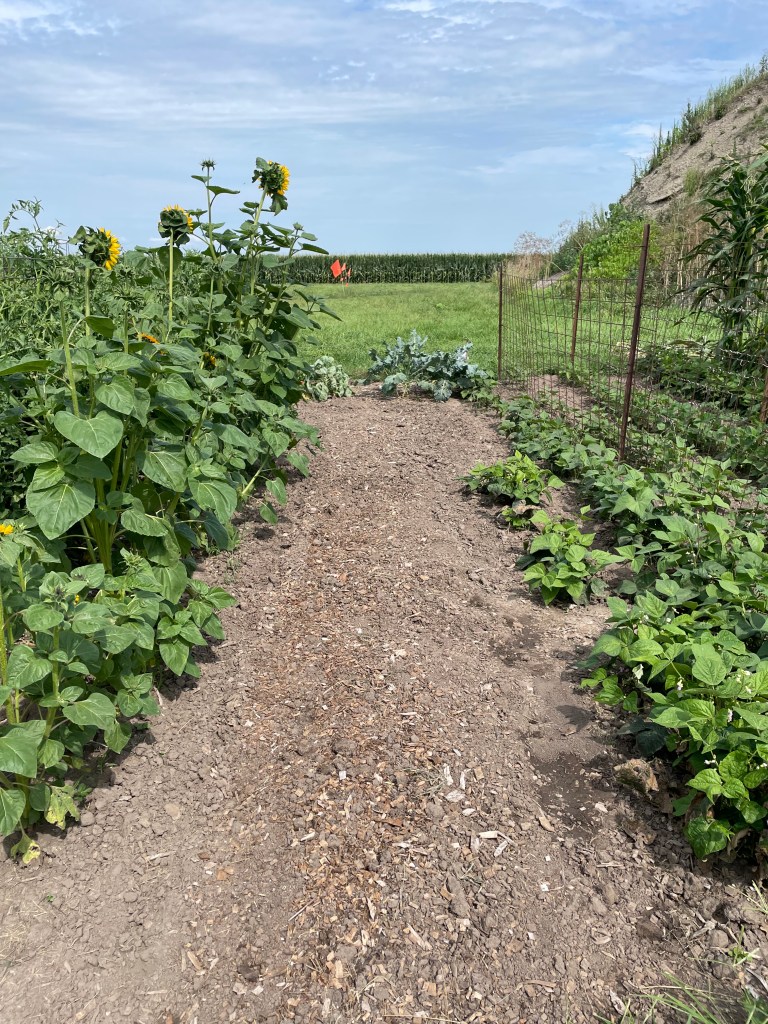
My last tip as a non-expert gardener is to ASK someone for tips! Neighbors, older friends, people at church, family members… we don’t want to lose this traditional skill of growing our own food. Getting some information from those who have done this for years can be very beneficial. You may pick and choose what to implement in your own garden, but that doesn’t mean the asking isn’t worth it.
On top of that, you make new friends and build relationships. We know that being completely sustainable isn’t the goal. Being community minded is so important- and some of y’all do it so much better than the rest of us. I am still growing in this area, but enjoying the stretching it is causing in me.

Now… here it is, already April! Are you diving in to a garden this spring?? I hope these tips help even a little, if nothing else but to spur you on to asking questions! Please comment below and subscribe to my emails! Thanks for reading!


 Honey and the Hen
Leave a reply to thebeautifulmountain Cancel reply