Second month of guest written book reviews! I am excited to introduce you to a friend of mine, Anna. Her book review of this lovely cookbook is such a fun read and perfect for those of us wanting to begin new healthy eating habits in 2025. I will definitely be adding this book to my wish list! Let me introduce her now!
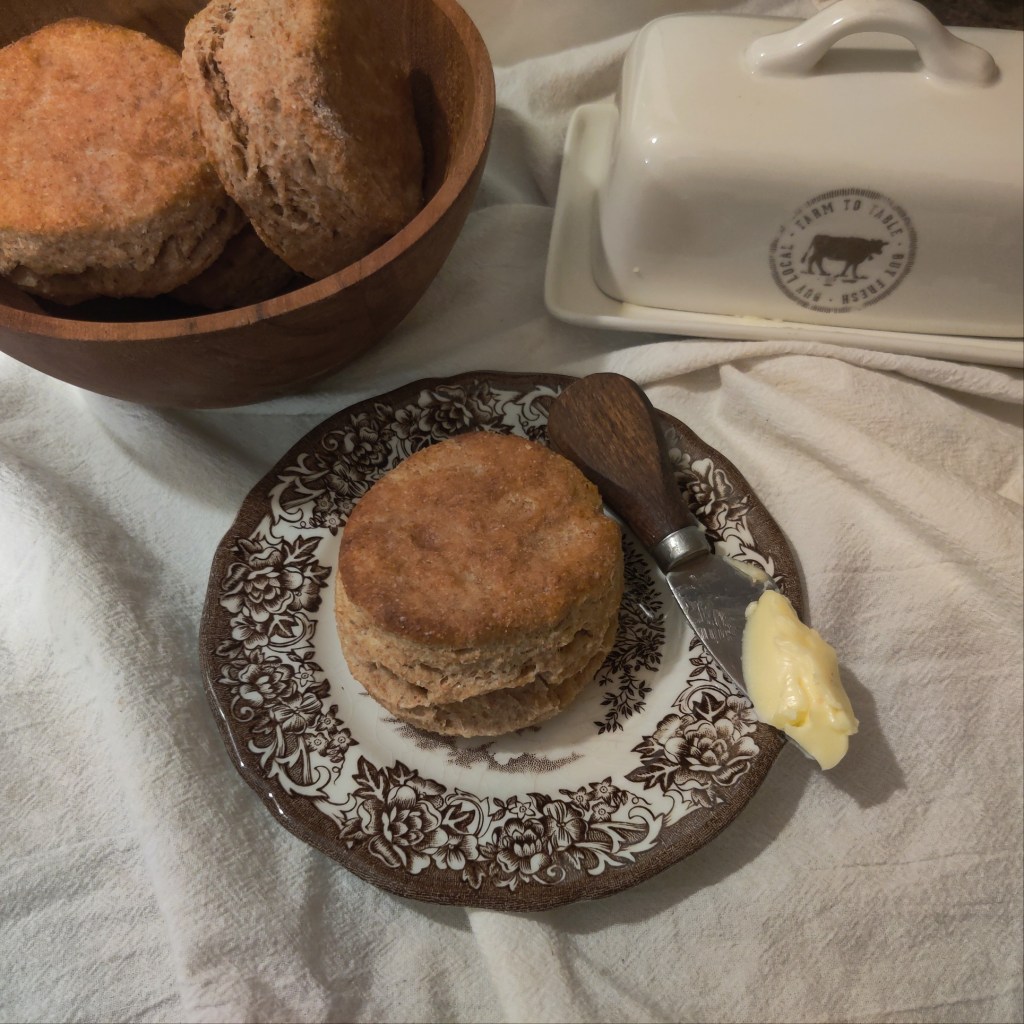
Anna is a homemaker, wife, and mother to a little one year old girl. Born and raised in the beautiful province of Quebec, Canada, she now lives in Central Illinois where her husband is from. Anna loves to visit with friends, draw and paint, bake, garden, read and go on walks. Although she enjoys living in town at the moment, she dreams of someday living on a small homestead and having a huge garden and some animals.
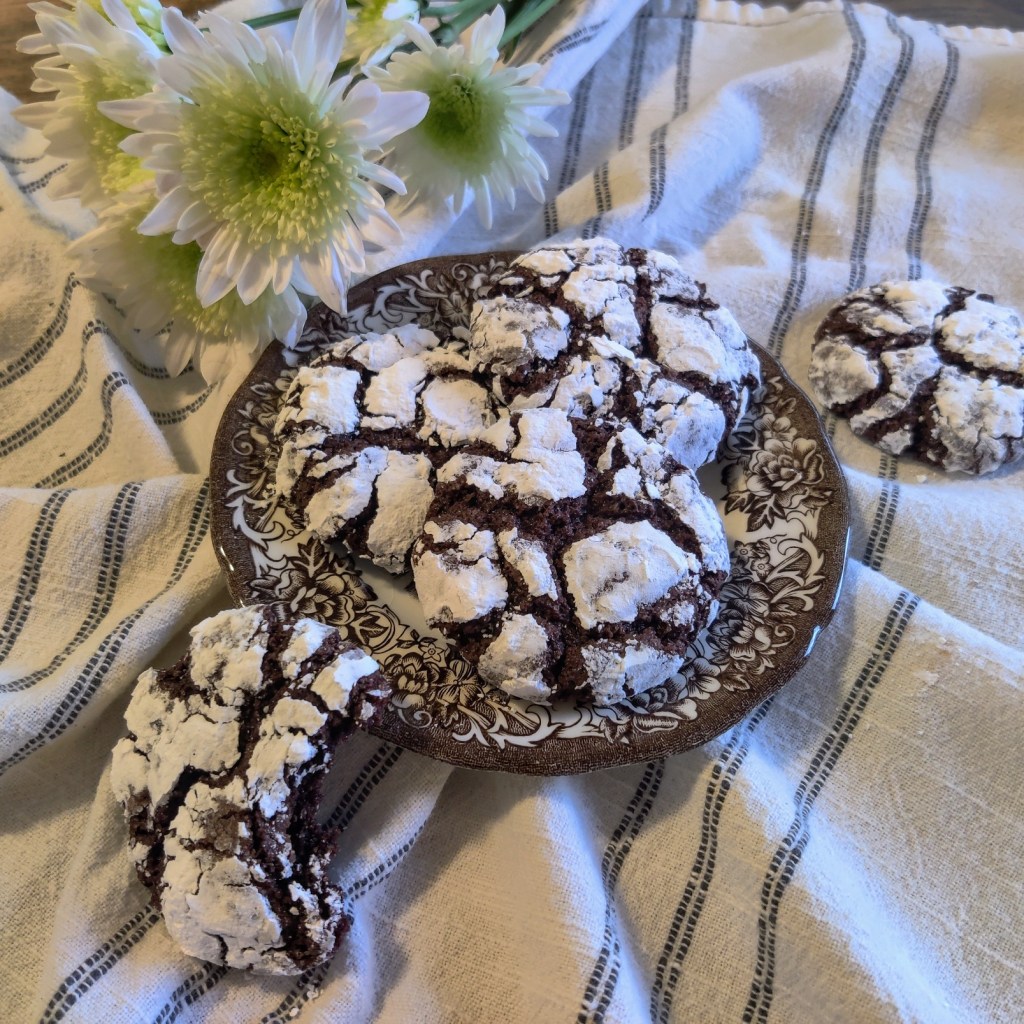
In her spare moments you will most often find Anna baking something or other. She loves all things sourdough and freshly milled flour. She keeps her husband busy, happily tasting her baked goods.
From Anna:
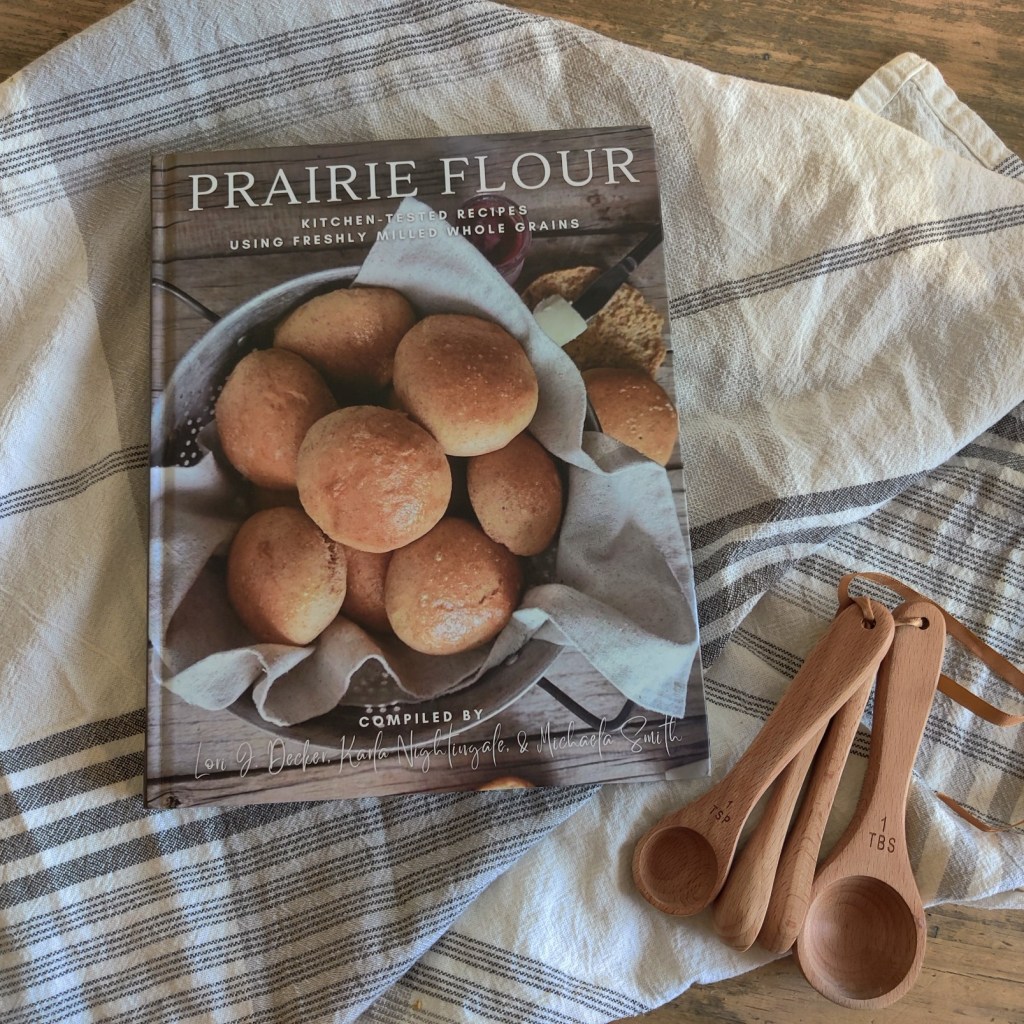
The book Prairie Flour is one of the most frequently used books in our home. Compiled by three homemakers, Lori J. Decker, Karla Nightingale and Michaela Smith, this cookbook boasts of over 175 recipes using freshly milled flour. The recipes were submitted by different home bakers who all use freshly milled flour, and then were all kitchen tested by a team of home bakers to be sure they were successful recipes before they made it into the book.
Lovely watercolor paintings are scattered throughout illustrating some of the pages, and there are beautiful color photos of most of the recipes making it a bright and beautifully inspiring book to bake from!
New to milling your own flour? No problem, the book has you covered with all the basics.
It includes some Real Bread stories from the authors, and also some convincing testimonials from other bakers that tell of the amazing health benefits experienced when they switched to all freshly milled flour. Some of the changes people noticed were reduced gut and acid reflux issues, no more constipation, reduced blood sugar spikes with some who have diabetes, and also improved energy.
They have a couple pages with tips on baking with freshly milled flour that will help with trouble shooting some of the most common problems a person might run into.
Next in Chapter 2 they cover grains! There is a grain ‘cheat sheet’ that will help you decide which grains are best for what you are baking.
There is a page that explains the four parts of the wheat ‘berry’ (the chaff, endosperm, bran and germ) and explains a bit about each part.
Want to know more specifics about each grain? There is information on that too! They explain a bit about the history of each grain, along with the nutritional value of it, and the best way to bake with it.
Wheat that is most commonly used today is a cross between ancient wheat and wild grasses. Over time wheat has been hybridized naturally and with human intervention. This hybridization has caused unique glutenin genes which gives bread dough the ability to form gluten and gives it structure.
Hard Red or Hard White wheat is best used for yeast doughs due to its high protein. Soft Red or Soft White wheat has lower protein and is better for baking things that don’t need yeast like muffins, cookies, and cakes.

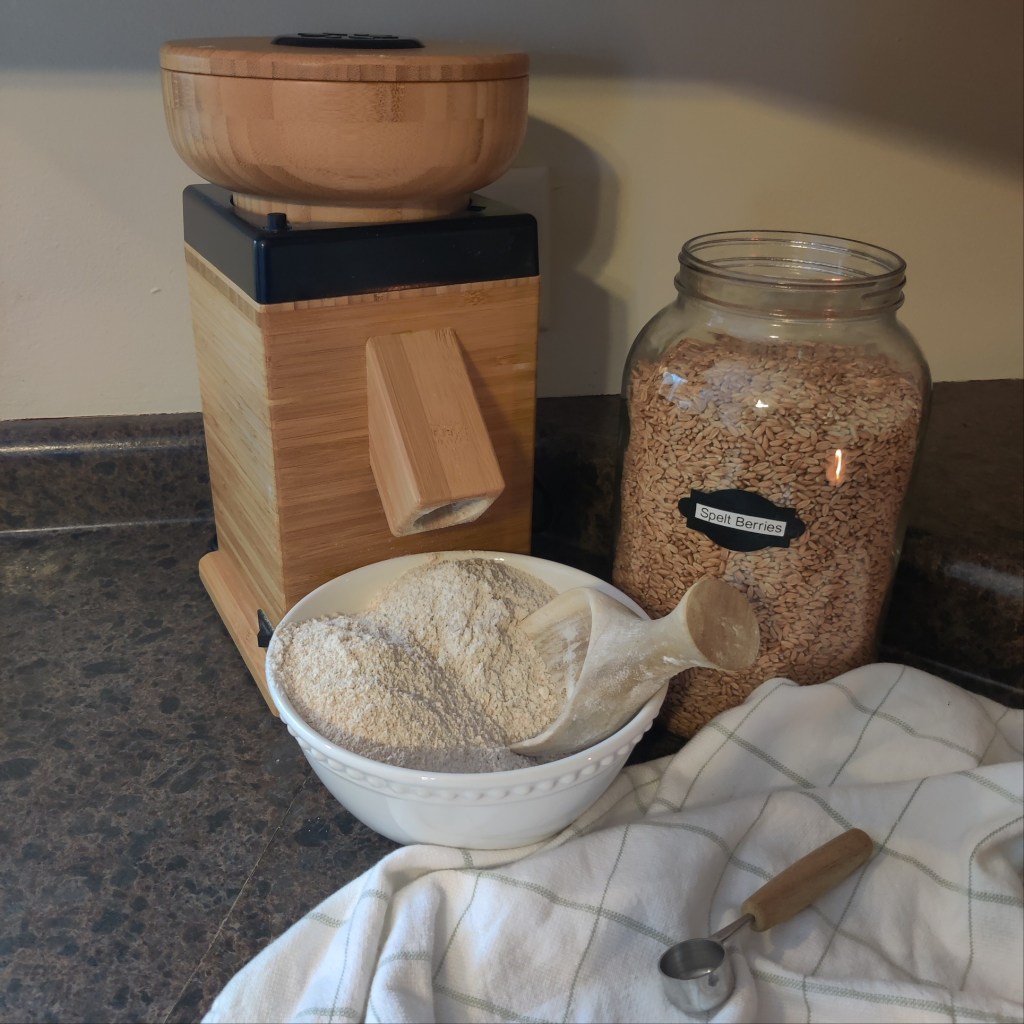
Spelt is an ancient grain which dates back to the Old Testament times. While spelt is part of the wheat family, it has changed very little over the years. It contains a different protein profile in comparison to modern wheat and some people who are sensitive to modern varieties of wheat may be able to handle spelt. We have found this to be true in our own family! Our daughter has a sensitivity to modern wheat products but is able to eat baked goods made with spelt daily! The gluten in spelt is more fragile which helps make it more digestible. It works very well cup for cup in recipes that don’t require yeast. In yeast doughs it is a bit trickier, but with some experience we have made a lot of beautiful bread that is 100 percent spelt.
Einkorn is another lovely ancient grain. It is also the oldest variety of wheat on earth and has never been hybridized. It was nearly extinct in 2009 when a food company decided to revive it. It is now more readily available. Einkorn has a much weaker gluten structure compared to other kinds of wheat and breaks down easily when mixed with water. While it tastes amazing in baked goods, it does behave differently than other wheat flours and starting out it is easier to bake with einkorn specific recipes until you figure out how it behaves. Many people with gluten sensitivities can tolerate einkorn. It has higher nutrient levels than other wheat varieties.
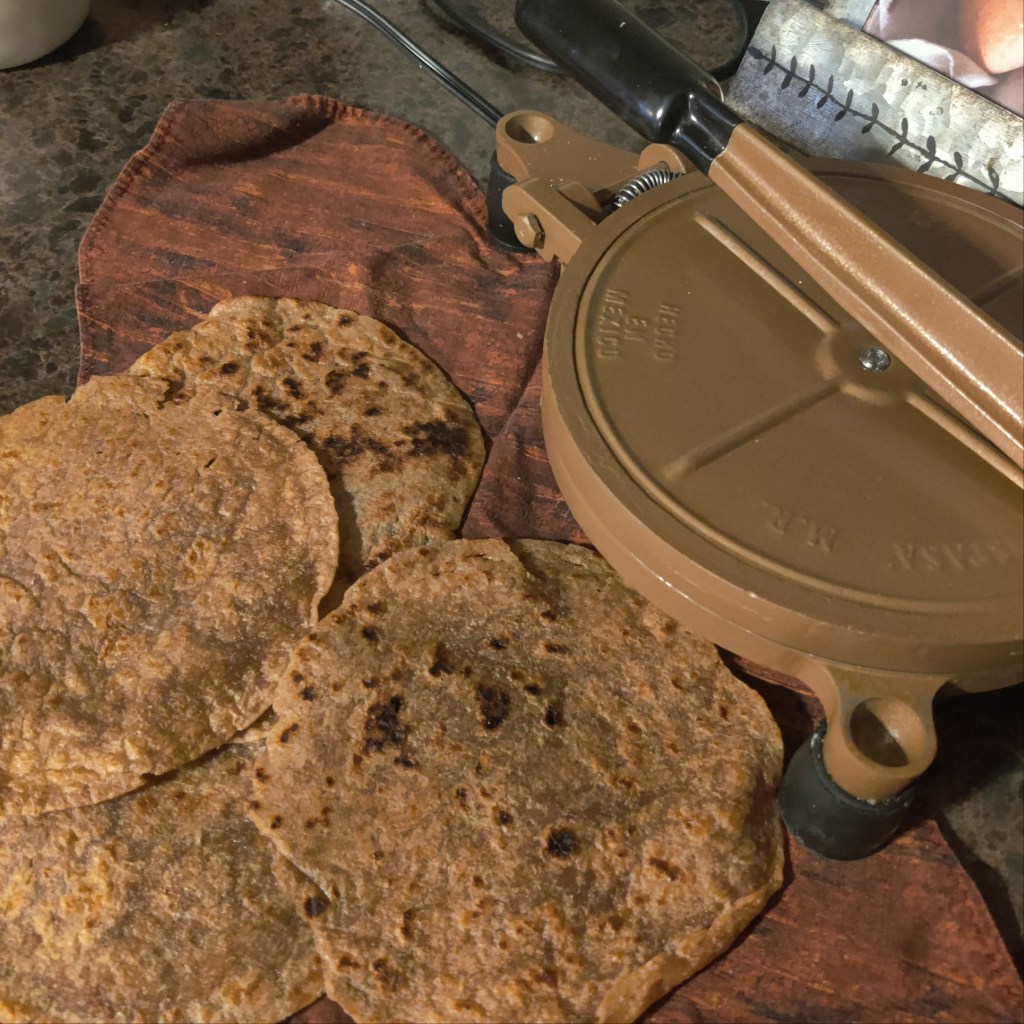
Buckwheat is said to originate from ancient China. Despite its name, buckwheat isn’t wheat at all! It is part of the rhubarb family and is considered a fruit seed. This makes it a great option for those who are gluten free. Fresh milled buckwheat makes delicious pancakes, muffins, and cookies! Because buckwheat groats and flour go rancid quickly, it is best to use them quickly or store them in the freezer. The lighter the groats, the fresher they are and the less strong the flavor will be. I had always thought buckwheat was to strong, but that was before I had freshly milled buckwheat.
That is a small overview of a few of my favorite grains talked about in Prairie Flour.
If you’re interested in sprouting your own grains, there are step by step instructions on how to do that. They also cover which fats are better for us and also some natural ingredients that make good dough enhancers for better bread.
Then the fun part: recipes!
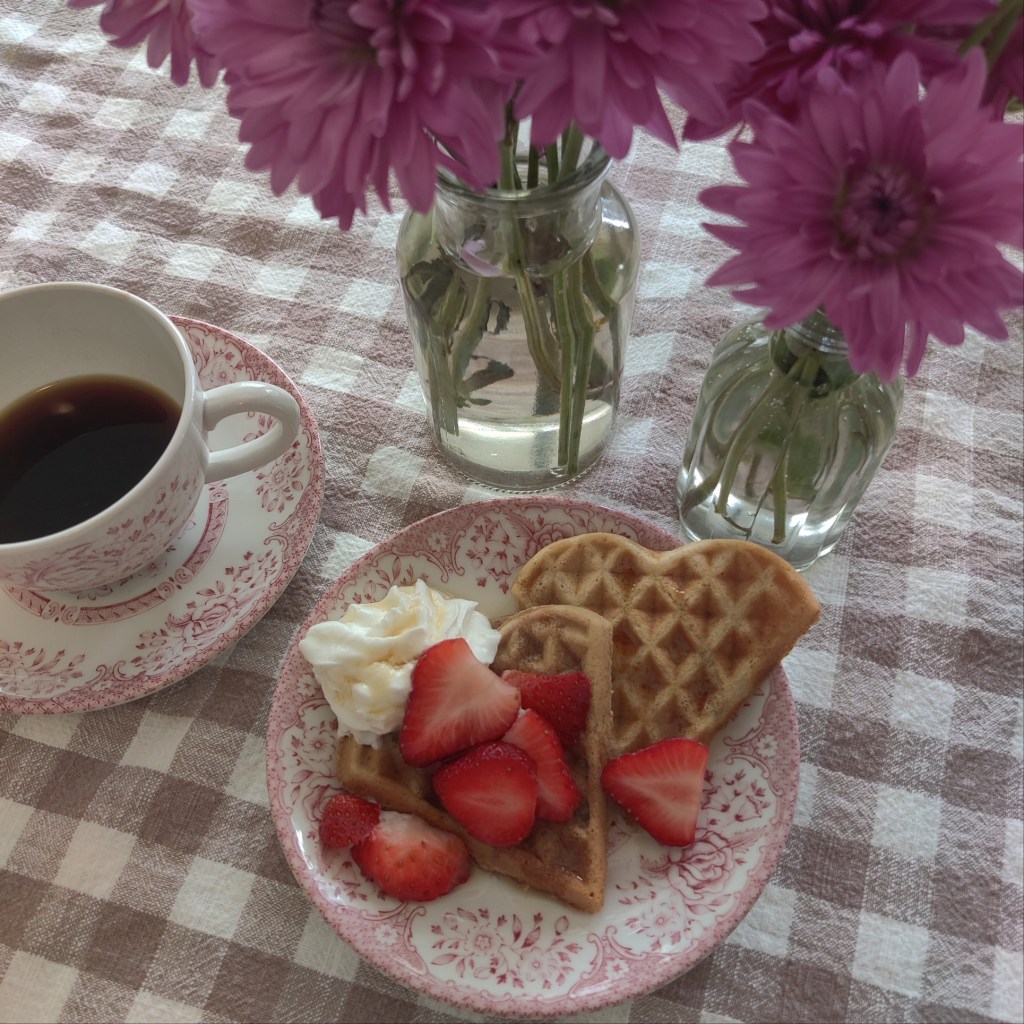
- Chapter 3 is all about Pancakes, Waffles and Cereals.
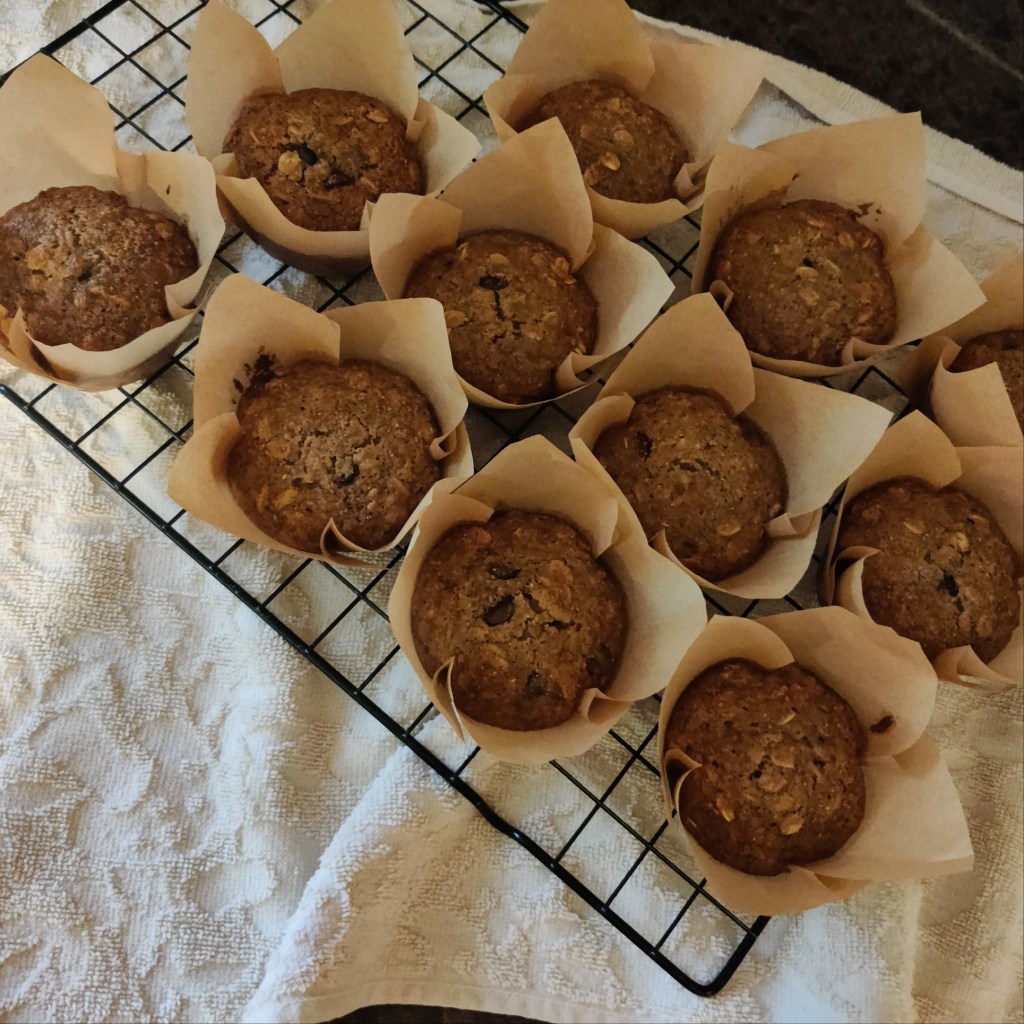
- Chapter 4: Muffins, Coffeecake and Scones.
- Chapter 5: Biscuits and Cornbread.
- Chapter 6: Yeast Loaf Breads.
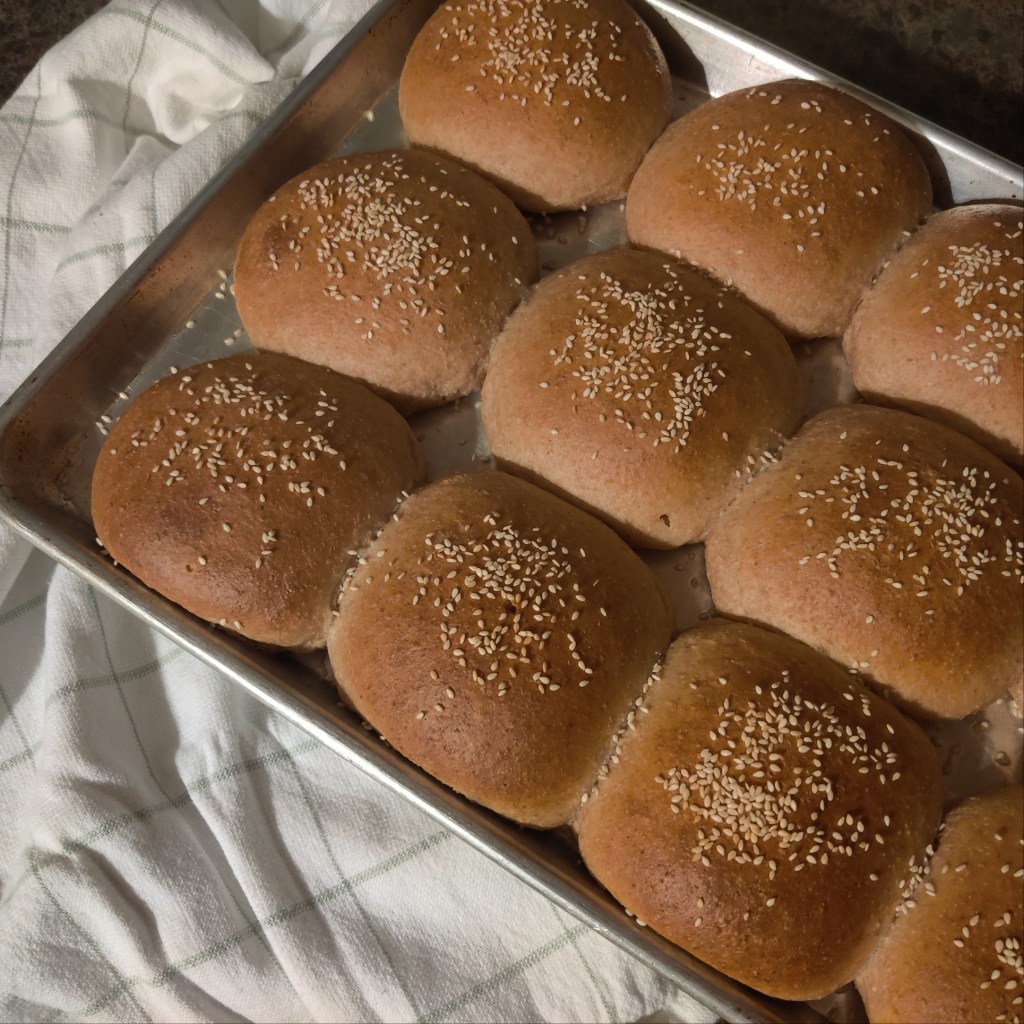
- Chapter 7: Yeast Sweet rolls and Sandwich Buns.
- Chapter 8: Pizzas and Tortillas.
- Chapter 9: Cookies and Bars.
- Chapter 10: Cakes Pies and Desserts.
- Chapter 11: Sourdough Baking
- Chapter 12: Gluten-Free baking.
- Chapter 13 is an index with resources.
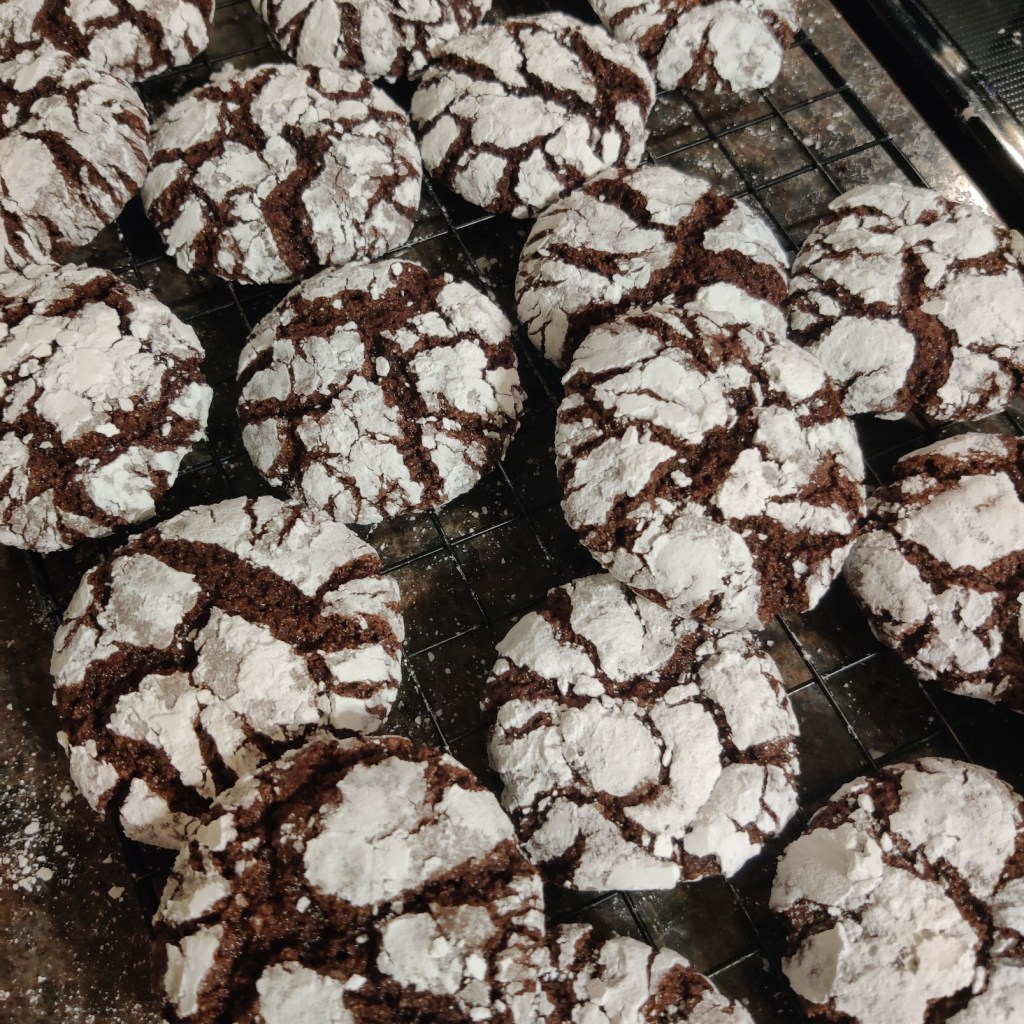
I hope I have piqued your interest in baking with freshly milled flour. If your new to it, an already seasoned baker, or thinking about starting to mill your own flour, I HIGHLY recommend adding Prairie Flour to your book shelf. It is available at https://www.gospelpublishers.com/usa/publisher/prairie-flour/
It has been life changing in our home and has been worth every cent we invested in our Nutrimill Harvest grain mill, and also the time it took to learn to bake with freshly milled flour. Happy Baking!

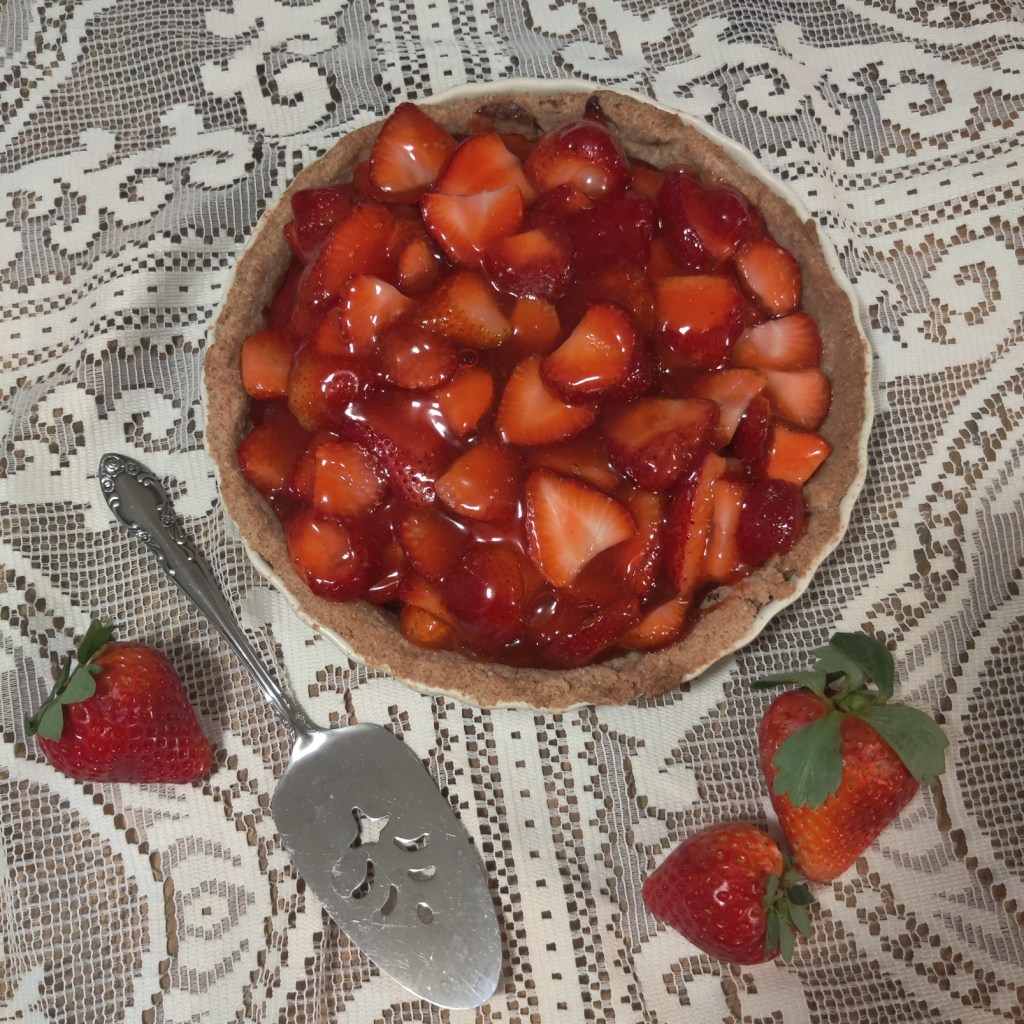
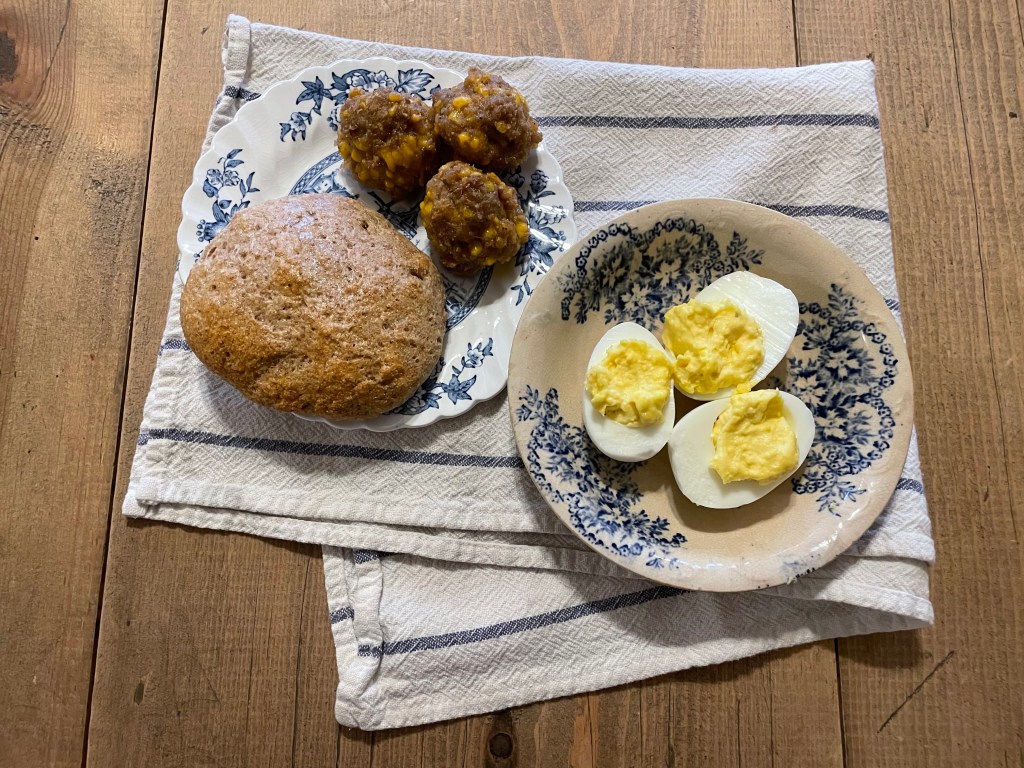
Thank you, Anna! You also have quite an eye for photography! Let me say, because Anna won’t brag on herself, she actually sent in the recipe for pie crust to the collaborators of the cookbook and her recipe was published! No names are mentioned in the book, but a large ‘thanks’ at the end includes all those who submitted recipes. I can’t wait to try that pie crust!


 Honey and the Hen
Leave a reply to thebeautifulmountain Cancel reply