

Here is a follow up post regarding raising laying hens! I hope it helps you on the road to becoming a Chicken Keeper!
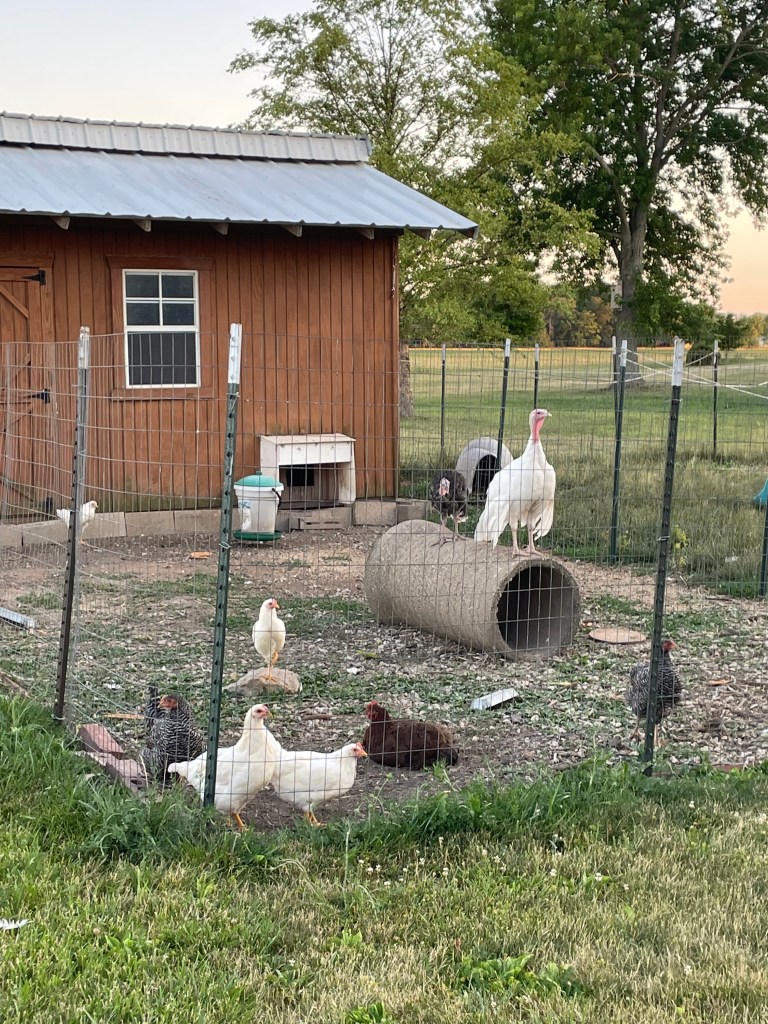
Keeping laying hens is not difficult! It does require time and effort though, and, I would add, a bit of forethought. But keeping things cleaned; giving them enough room to roam and eat grass and bugs; adding table scraps (some are not good for chickens) and fresh garden produce as you can… you can have a beautiful, healthy flock. Some larger towns and cities allow hens where smaller towns do not. I know of a friend who has begun a petition in her small town to allow hens. There are usually restrictions as to how many you can have, but most towns do not allow roosters.
Your basics are, as always, food, water, and shelter. We have a shed that my Sweet Husband divided into coop/garden shed. It has a strong fencing surrounding its two ‘pastures’ held up by T-posts. They have windows for ventilation and small raisable doors to get out into whichever pasture is ready for them. We keep a hanging feeder for our hens and our waterer is up on bricks. This helps keep bedding flakes from filling the water. We use a pine shaving bedding but there are many options. And, we have metal nesting boxes. The rule of thumb is 4 hens to a nesting box (ex. If you have 16 hens, get 4+ nesting boxes). However, we often have numerous birds nest in one box (not at the same time, of course) and we collect most of our eggs from 1-2 boxes.
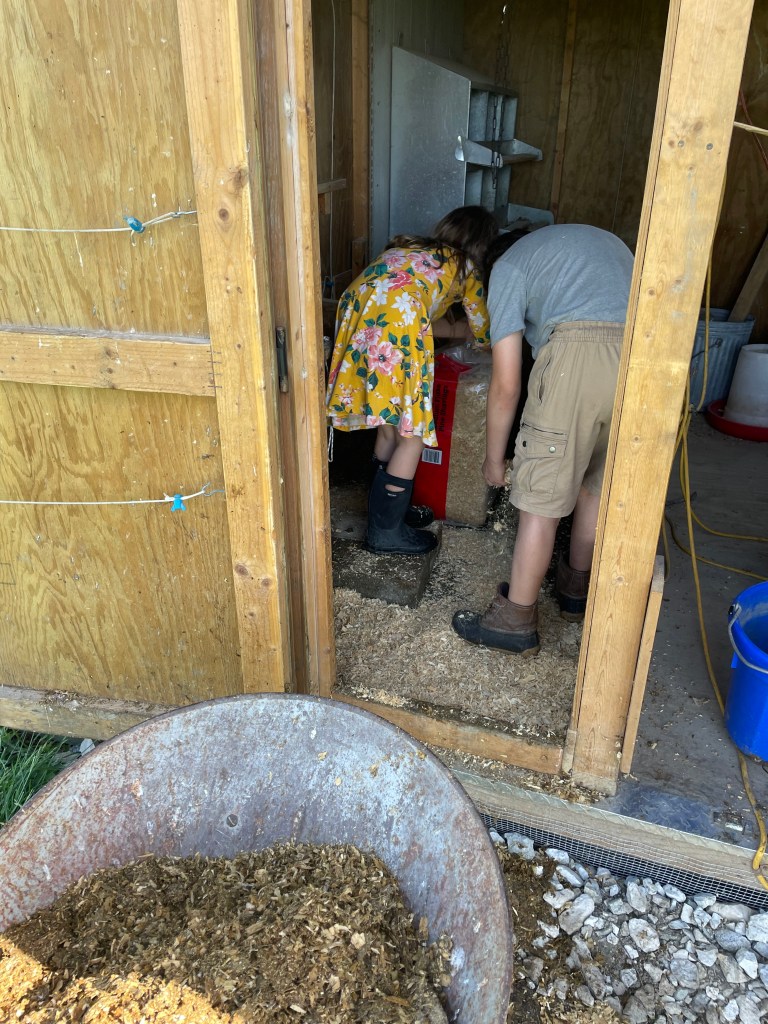
You will want to clean your coop when it begins to stink and the bedding is no longer clean. In summer this isn’t often because the girls are mostly outside in fresh grass. But in winter, it can be often. You can also implement a deep bedding system depending on the walls of your coop. We have chicken wire on one wall about 3” up so our deep bedding doesn’t get to build up very high. The bedding is an excellent thing to add to your compost pile. Since chicken poop has tons of nitrogen in it, you don’t want to add it to any flower beds or gardens right away. It would burn everything up! Let it rot and decompose, turning it as often as you want to (every 2 weeks, for example). Then, once it’s broken down, add it as lovely compost.
You want healthy animals. If you are raising your own food, you have most likely come to the conclusion that many commercial food sources are not as healthy as you’d prefer. So, be sure to plan on giving your hens at least 3 square feet of space per bird (ex. a 4×4 coop should have 5 birds or less). This does not include your outdoor space, though! Having a run, a fenced in pasture, or letting them roam free is crucial for their health and the nutrition of your eggs. Many people use chicken tractors (mobile chicken coops) and move them to fresh grass daily. We have two chicken pastures and seek to rotate the hens so that they have fresh grass and they don’t kill the grass in either place. You can also collect grass clippings and many weeds you pull and put them out for your ‘girls’ to enjoy. They love scratching and pecking!
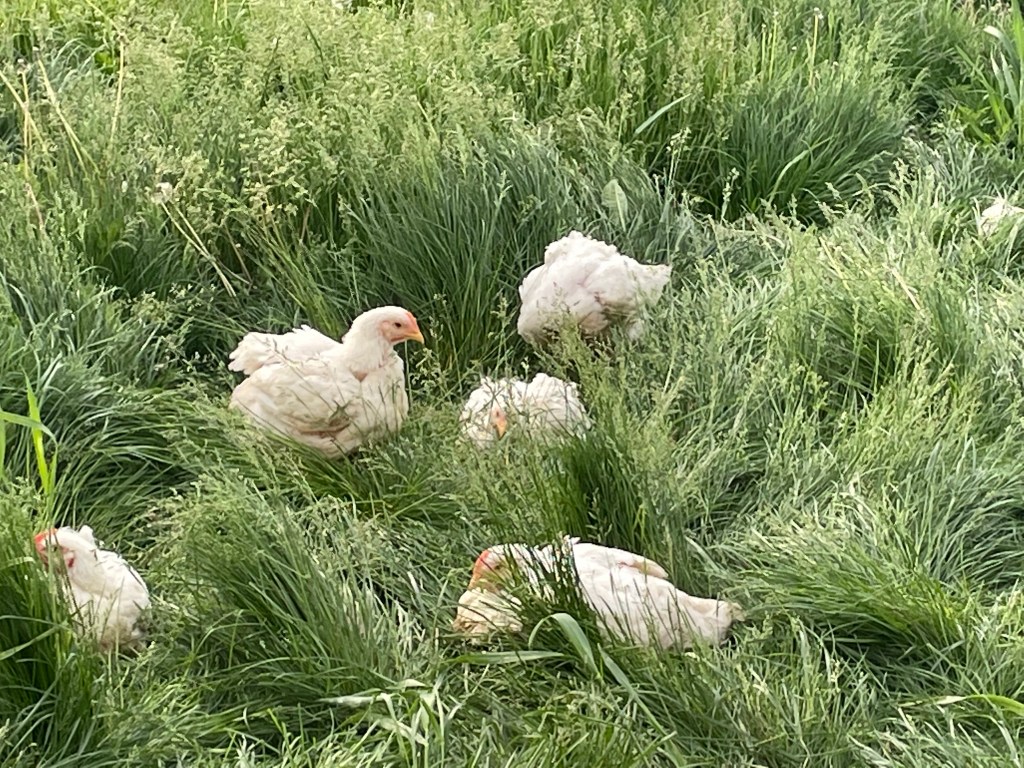
When considering feeding your chickens, think ‘you are what you eat’ and choose what you feel good about feeding them! We get nonGMO feed whenever possible! I don’t want genetically modified foods going into my family so I don’t want my hens to eat them either! Most feeds have corn which has huge amounts of GMOs generally speaking. Also, think about taste in your eggs. If you feed your hens onions, peppers, garlic etc, you’ll likely taste that in your eggs. Be careful! You wouldn’t want to bite into chocolate cake and taste onions. And lastly, there are many lists of what chickens should and shouldn’t eat. Here are my 3 go-tos when it comes to their health: NO bananas, raw potatoes/peels, chicken. Steering clear from those will keep your hens healthy! Now! Just get them on pasture, some sort of grass!, and they’ll give you healthy, orange egg yolks that will give your family great protein rich breakfasts.
Lastly, you will want to protect your flock. Some people have large protective breed dogs (ex. Great Pyrenees) that are very helpful. But, that isn’t always something we can have. So, here are a few ideas that may help: string rope zig zag across the fencing to deter hawks and other flying predators; be sure to lock the hens up at night behind closed doors; zip tie some strips of barbed wire to your fencing to keep climbing rodents (skunks, etc) away; install a motion sensor siren that may scare away nocturnal predators; and finally, some homemade cayenne pepper spray along perimeter of coop/chicken tractor can help deter some animals like raccoons. If you free range your hens, be aware of proximity to roads and the possibility of stray dogs.
I hope this helps you and gets you excited to try your hand at laying hens!
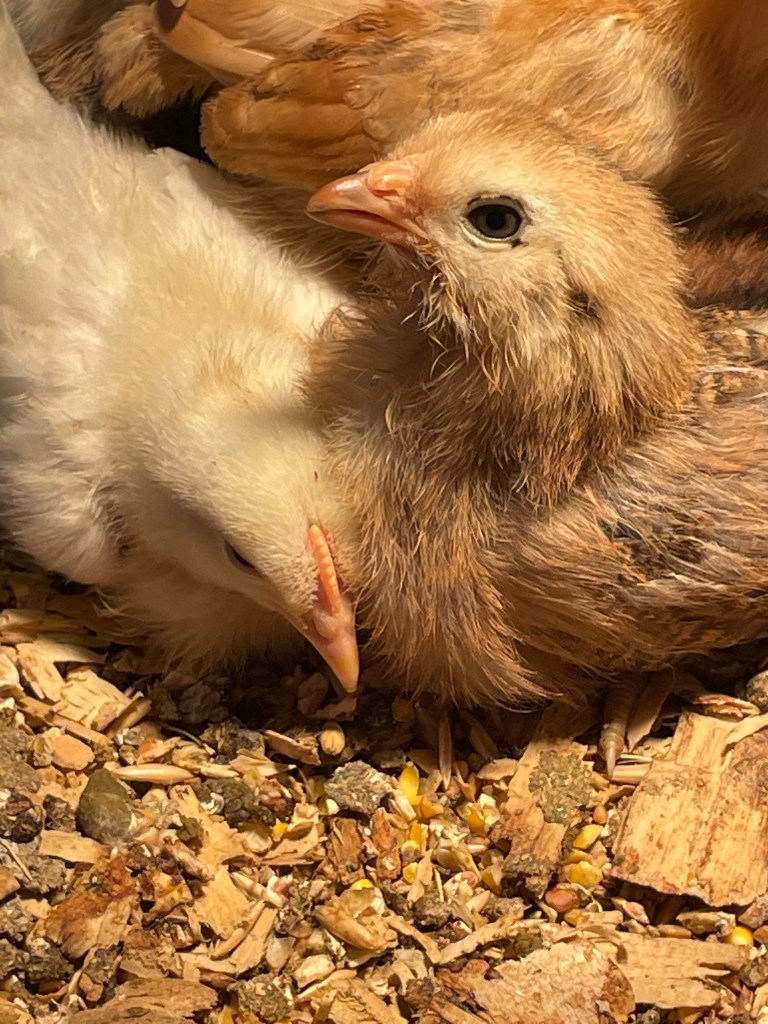
Here’s to happy chicken keeping!






 Honey and the Hen
Leave a reply to Dusty Cancel reply